

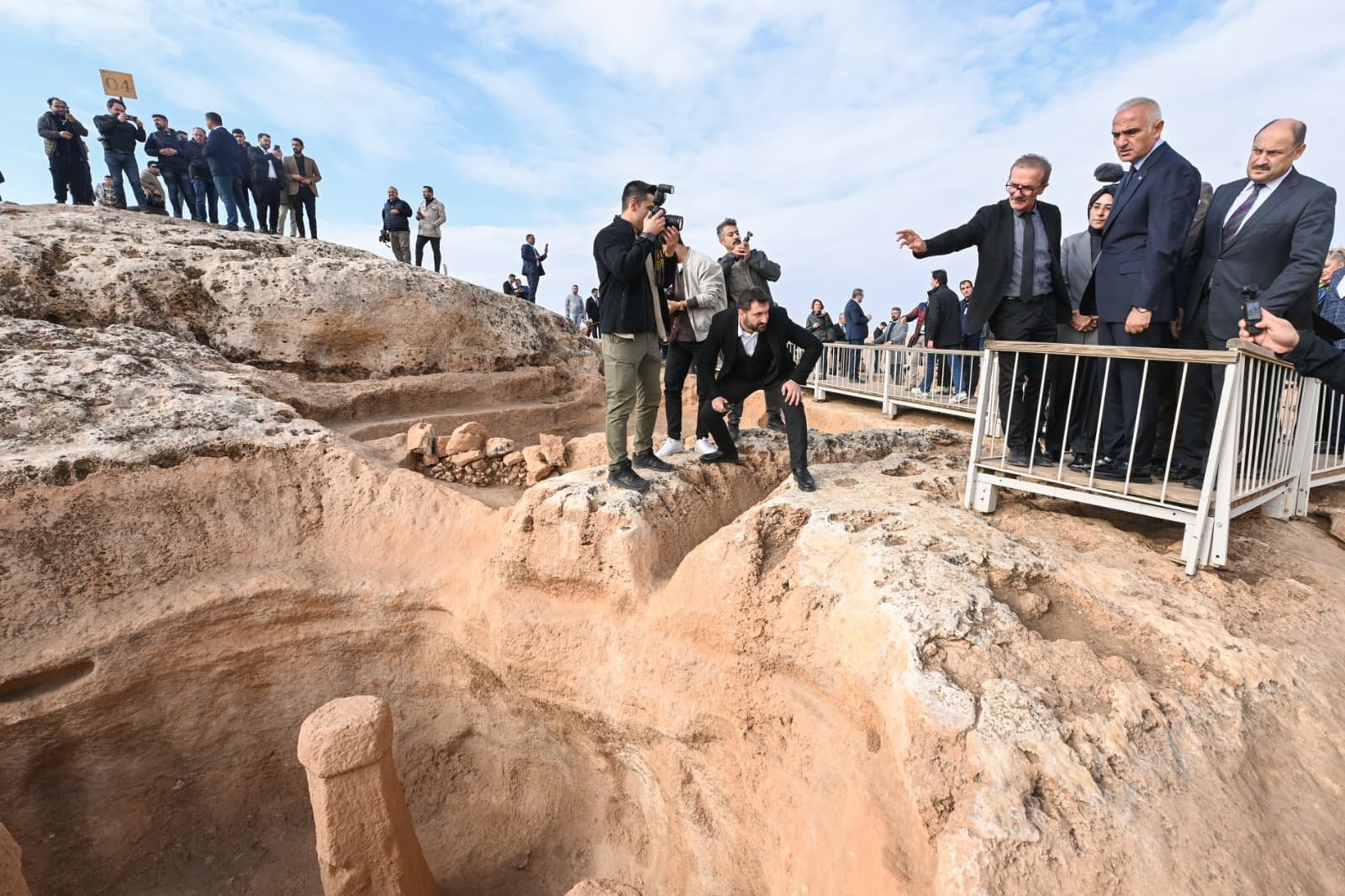
The Taş Tepeler Project, a landmark archaeological initiative uncovering the earliest chapters of human civilisation, celebrates its fifth anniversary with the announcement of 30 newly excavated discoveries across 12 Neolithic sites in the Şanlıurfa region. These findings—described as some of the most significant of the last decade—are offering unprecedented insights into life 12,000 years ago and transforming global understanding of the Neolithic era.
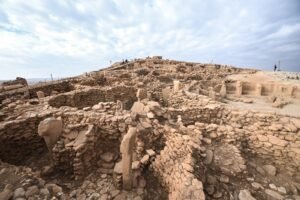
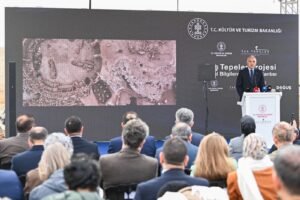
At an anniversary event held at the Karahantepe Visitor Centre, researchers revealed a series of remarkable artefacts:
-
A striking human sculpture from Sayburç, depicting a deceased individual with a stitched mouth—believed to shed new light on symbolic funerary practices.
-
A human figure embedded into a wall at Göbeklitepe, interpreted as a votive offering and demonstrating the region’s sophisticated sculptural traditions.
-
Dual-style human face reliefs from Sefertepe, carved using both high- and low-relief techniques, showcasing artistic diversity within the Taş Tepeler region.
-
A rare dual-faced serpentinite bead, intricately carved and pierced, reflecting advanced craftsmanship and symbolic expression.
“These settlements have opened new horizons in world history,” said Mehmet Nuri Ersoy, Türkiye’s Minister of Culture and Tourism. “We now know that 12 millennia ago, Anatolia was home to densely populated, socially complex communities—long before previously assumed possible.”
A Region Redefining the Neolithic World
Anchored by Göbeklitepe, the world’s oldest known monumental site and a UNESCO World Heritage Site, the Taş Tepeler Project encompasses a network of 12 locations including Karahantepe, Sayburç, Sefertepe, Harbetsuvan, Çakmaktepe, Yenimahalle, Söğüt Tarlası, Mendiktepe, Yoğunburç, Gürcütepe, and the newly added Ayanlar Höyük. Together, these settlements present a unified cultural horizon that is pushing the origins of settled life and symbolic architecture far deeper into the past.
Minister Ersoy affirmed Türkiye’s ambition to establish the region as “the world’s Neolithic capital,” citing the consistent pace of groundbreaking discoveries and the unprecedented clarity they bring to humanity’s early transition from mobile hunter-gatherer groups to organised communities.
Global Collaboration and Preservation
The Taş Tepeler Project is a major international effort involving 36 academic institutions—15 from Türkiye and 21 from abroad—and 219 researchers working concurrently across all sites. This coordinated strategy ensures a holistic understanding of the region’s interconnected cultural landscape.
Significant progress is also being made on preservation and infrastructure:
-
Under the Ministry’s “Legacy for the Future Project,” restoration has been completed on Göbeklitepe’s Lion Structure and Structure C.
-
Ongoing restoration includes Karahantepe’s Structure AD and a domestic building at Sayburç.
-
New facilities nearing completion include a state-of-the-art visitor centre at Göbeklitepe and a comprehensive research centre and excavation house at Karahantepe, which will centralise archaeometric analysis for the entire project.
A New Era of Understanding Humanity’s Beginnings
As the Taş Tepeler Project enters its sixth year, each meticulously uncovered artefact continues to reveal the complexity, innovation, and symbolic richness of societies that flourished long before the pyramids, Stonehenge, or written history.
The region stands as a testament to humanity’s earliest architectural, artistic, and social achievements—and as powerful evidence that the story of civilisation is far more ancient and intricate than once believed.