
An evening with the Green Fairy
French, Swiss or Czech absinthe, Prague’s most intriguing ritual is having a moment.
By Naina Nath
We have all heard of the ‘green fairy’, mysterious, slightly forbidden, and wrapped in stories that sound almost too dramatic to be real. But in Prague, absinthe is no longer just a legend whispered about in bars, it has evolved into a full-fledged cultural experience. And for Indian travellers looking to go beyond castles and cobblestone streets, this is quickly becoming one of the city’s most unexpected must-do additions.
More than a drink
Absinthe tasting in Prague is not about ordering a glass and moving on. It unfolds as a guided, immersive experience that weaves together storytelling, history, and sensory elements. Tours led by experts like Natalia Kovach, one of the best guides Prague has to offer, bring context to every sip, turning what could have been a novelty into something far more layered and memorable. It is this guided format, structured yet relaxed, informative yet entertaining, that makes it easy to include in your Prague itinerary.
Two stops, two worlds
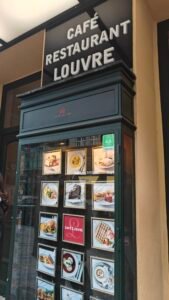
Our two-hour tour moved through contrasting venues. At Café Louvre, the setting felt timeless, elegant, and steeped in intellectual history, once frequented by Albert Einstein and Franz Kafka. It is easy to imagine artists and thinkers gathering here, adding a sense of continuity to the ritual.
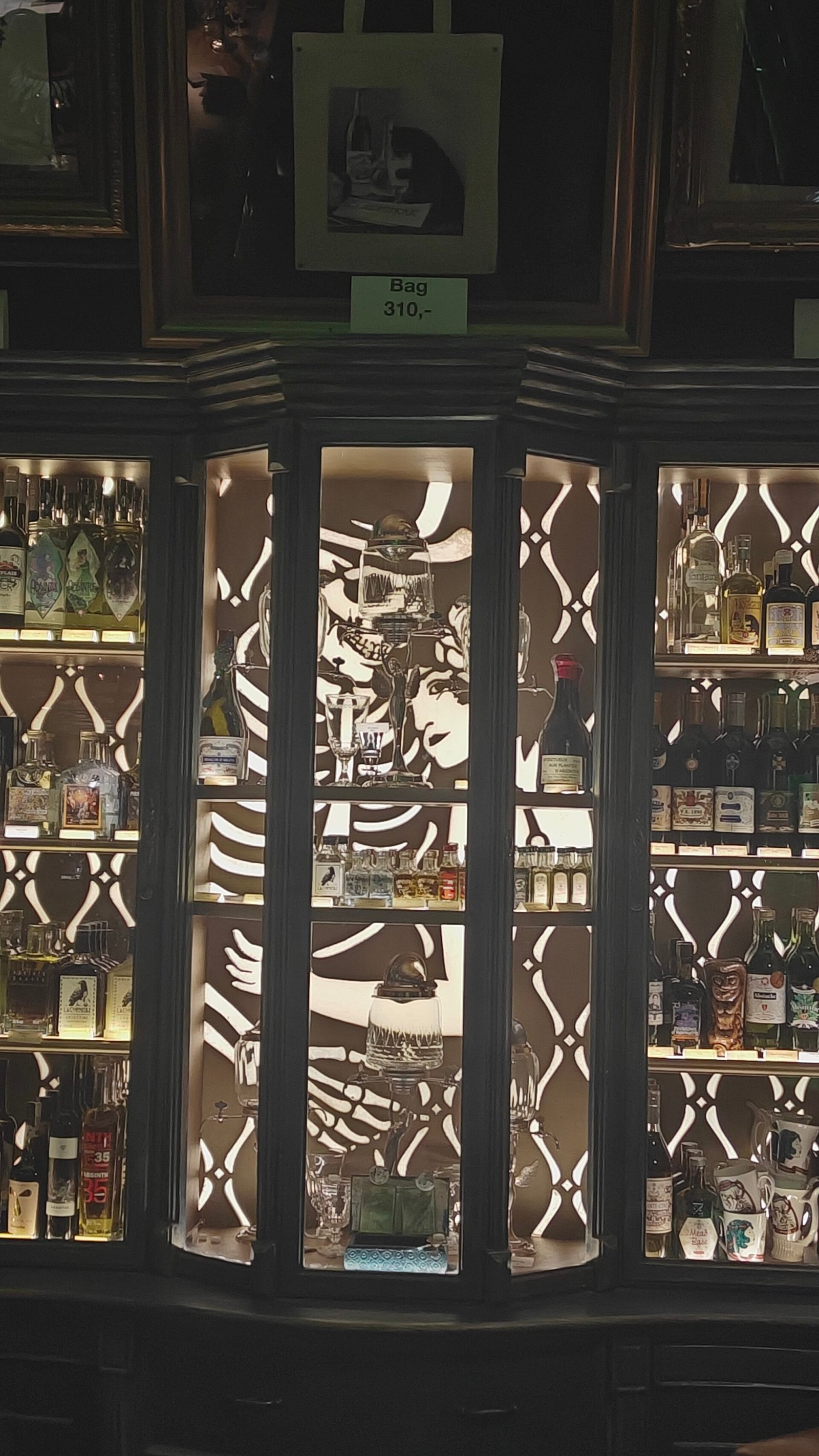
Then the mood shifted at Absintherie, often called the ‘Mecca of absinthe in Prague’, where the setting became darker, more experimental, and centred entirely on the art of drinking absinthe.
A timeless ritual
If there is one moment that stays with travellers, it is the preparation. A perforated spoon, a sugar cube, and a slow drip of ice cold water come together in a quietly captivating way. As the liquid clouds, the drink opens up, revealing softer, more aromatic notes.
In some settings, this ritual turns more theatrical with the Bohemian or Czech method, where an absinthe-soaked sugar cube is briefly set alight to create a caramelised finish before serving.
It is unhurried, almost meditative, and undeniably visual, as engaging to watch as it is to taste.
From banned to back in vogue
Absinthe’s past adds a compelling layer to the experience. Once banned across much of Europe in the early 20th century due to fears of hallucinations and erratic behaviour, it built a reputation that lingered for decades.
Today, those myths have been largely debunked. Modern absinthe is carefully regulated, and the dramatic stories have given way to a more informed appreciation. The intrigue remains, but it is now paired with understanding, which makes the tasting all the more interesting.
A quick guide to the green spirit
At its core, absinthe is distilled using botanicals like wormwood, anise, and fennel, giving it that distinctive herbal, slightly licorice-like profile. But what surprises most first-timers is the variety.
Swiss absinthes are known for their subtlety, French versions for their refinement, and Czech styles for their bold, contemporary edge. Many tastings also introduce modern interpretations, ranging from intensely herbal blends to more experimental, unconventional variations, occasionally including novelty bottles that add an element of surprise (like one with a real beetle inside!)
Why it’s catching on
Indian travellers today are increasingly drawn to experiences that feel immersive and a little offbeat. Absinthe tasting checks both boxes. It is rooted in history, rich in narrative, and offers a break from the standard tourist trail.
Light on time yet rich in experience, slipping easily into a Prague itinerary, it stands out as one of its most unexpected highlights. What elevates it further is the context woven through the experience. Guides like Natalia Kovach add depth, and the result is not just a tasting, but something that unfolds with every pour.
In a city known for its grand landmarks and cultural depth, absinthe tasting offers something more engaging. It goes beyond observation, drawing you into the experience. It lingers long after, leaving behind not just a flavour, but a memory that feels distinctly Prague.