

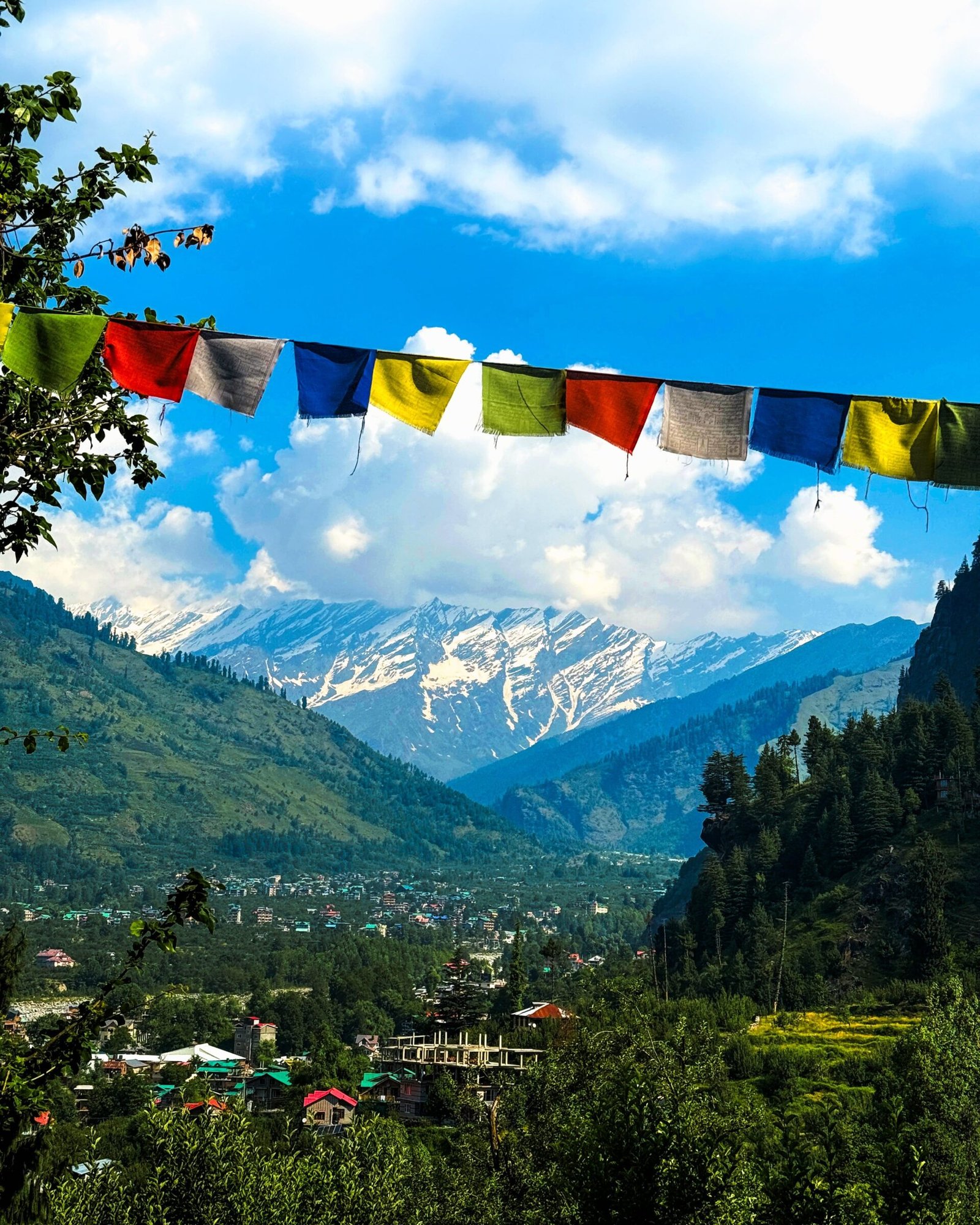
Tourism stakeholders are calling for a rethink of conventional tourism planning and operations across the Himalayan region as recurring natural calamities continue to pose challenges for destinations, travellers and tourism businesses. The recent flash floods in Nepal have further highlighted the need for stronger preparedness and more resilient tourism practices across the mountain region.
The Himalayas remain a major tourism zone, attracting adventure travellers, trekkers, mountaineers, pilgrims and leisure visitors. However, changing weather patterns and the increasing frequency of extreme events are prompting industry stakeholders to reassess traditional approaches to operating tours in the region.
Ajeet Bajaj, MD, Snow Leopard Adventures and former President of the Adventure Tour Operators Association of India (ATOAI), stressed the importance of closely monitoring weather forecasts before and during adventure trips. He noted that operators need to respond more quickly when conditions change and should build greater flexibility into their programmes.
Mandip Singh Soin, MD, Ibex Expeditions, said climate change needs to be treated as a continuing reality rather than an occasional disruption. He called for tourism operators and authorities to reconsider fixed assumptions around operating seasons and emphasised the importance of treating the Himalayan region as an interconnected ecosystem when planning infrastructure and tourism development.
Tejbir Singh Anand, MD, Holiday Moods Adventures and President, ATOAI, identified communication and coordination as critical areas for improvement. He called for more reliable communication infrastructure for operators, including GPS and satellite-phone access in remote areas, along with stronger coordination between the relevant government authorities.
Anand also highlighted the need for clear standard operating procedures covering weather monitoring, communication and emergency response so that tour operators can respond more effectively when conditions deteriorate.
Deepak Raj Joshi, former CEO of the Nepal Tourism Board, emphasised that preparedness must extend beyond technology. He pointed to stronger infrastructure, improved management of local settlements, effective early-warning systems and greater awareness among communities and tourism stakeholders as important components of a resilient tourism framework.
Industry stakeholders believe that the answer is not to reduce tourism activity in the Himalayas, but to develop a more resilient and responsible operating framework. Better weather intelligence, flexible itineraries, stronger communication networks, early-warning systems, improved infrastructure and greater attention to ecological carrying capacity are expected to become increasingly important.
The industry believes such measures can help protect travellers and local communities while allowing the Himalayas to continue serving as an important destination for adventure, pilgrimage and leisure tourism.