

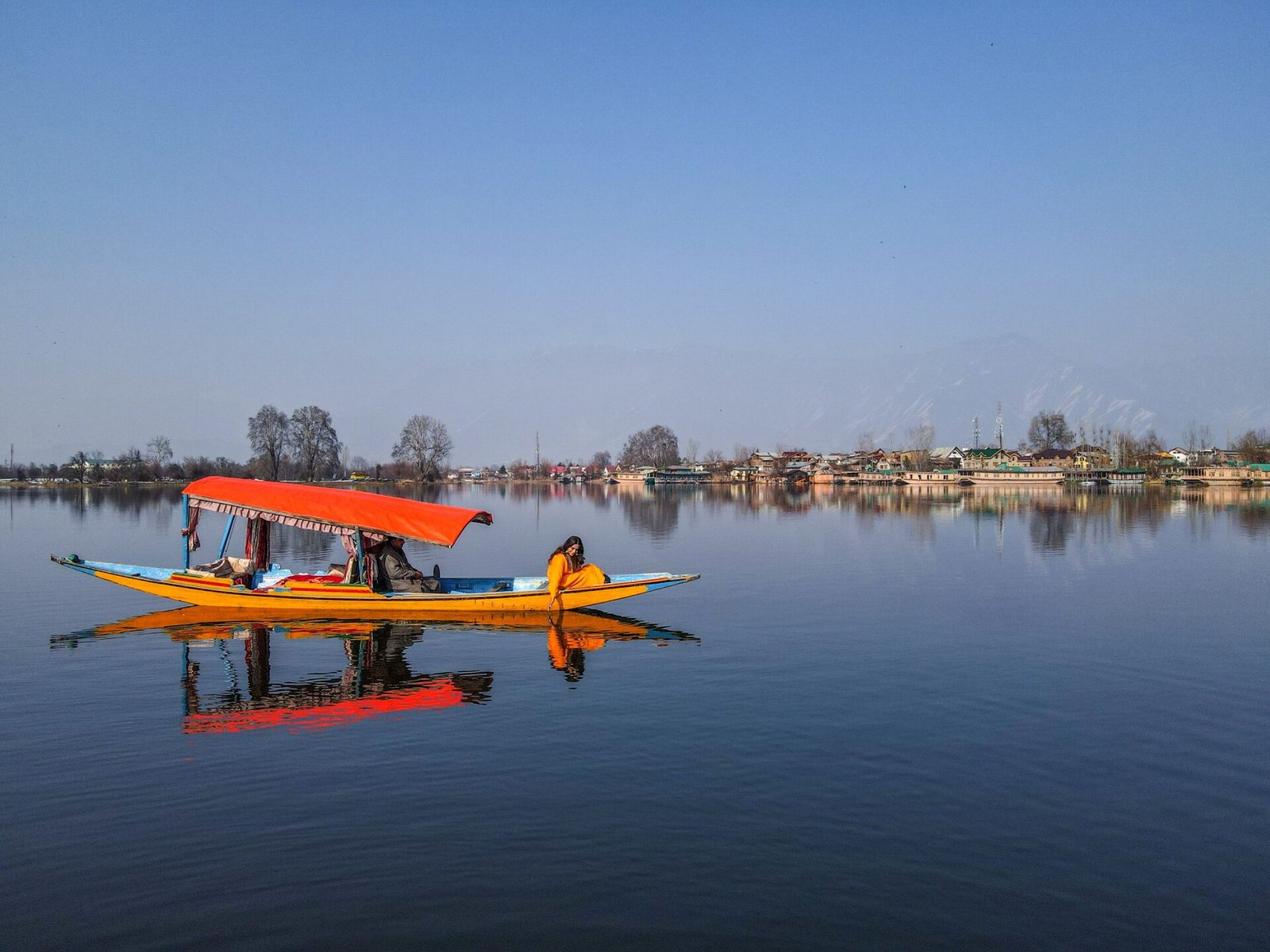
Tourism stakeholders and local communities in Kashmir are calling for a stronger focus on sustainable and low-impact tourism, as the region looks to tap its vast eco-tourism potential while protecting its fragile natural environment.
The call comes amid growing concerns over the environmental pressure associated with rising tourist activity, including waste generation, traffic, construction and increasing footfall in ecologically sensitive areas. Stakeholders believe that a carefully planned eco-tourism model could help distribute tourist activity to lesser-known destinations while creating new livelihood opportunities for local communities.
Kashmir’s forests, wetlands, meadows, rivers, wildlife areas, mountains and remote rural landscapes offer considerable scope for developing nature-based tourism products. Stakeholders believe these resources can provide visitors with distinctive experiences while also supporting conservation and community-based economic development.
Local tourism stakeholder Mushtaaque Ali Ahmad Khan said that eco-tourism could become one of Kashmir’s important tourism products if developed scientifically and with meaningful participation from local communities. He highlighted the region’s forests, wetlands, meadows, rivers, wildlife areas and remote villages as assets capable of offering visitors experiences beyond conventional tourism.
Stakeholders have also stressed the importance of shifting towards low-impact tourism rather than mass tourism, particularly in environmentally fragile areas.
Mohsin Bhat, a resident of Uri, said Kashmir should avoid the consequences of uncontrolled tourism and instead promote destinations in a manner that protects the environment while creating livelihood opportunities for local residents. He also called for encouraging visitors to spend more time in rural areas, use local services and engage with the region’s natural and cultural heritage.
The demand for sustainable tourism has gained importance as several parts of the Valley face increasing pressure from tourist arrivals and associated waste, traffic and construction. Properly planned eco-tourism, stakeholders believe, can help spread tourist activity beyond established destinations while generating employment and economic opportunities for communities.
The Jammu & Kashmir Government is also working towards creating a more structured framework for the sector. According to a Forest Department official quoted in the report, the government is in the process of formulating an Eco-Tourism Policy, which is expected to be finalised and notified within six months.
Stakeholders have emphasised that developing eco-tourism does not necessarily require large-scale construction or conventional hotel infrastructure at every destination.
Khushal Khawaja, a resident of Karnah in Kupwara district, said that several locations could be developed through basic but effective facilities such as properly developed trails, trained local guides, sanitation infrastructure, waste-management systems and small interpretation centres rather than extensive concrete construction.
Another key recommendation emerging from the stakeholders is the greater involvement of local youth in the tourism ecosystem. Stakeholders have called for training young people as nature guides, birdwatching guides, trekking instructors and hospitality professionals, enabling local communities to gain directly from the growth of eco-tourism.
They have also stressed that local communities should have a direct economic stake in tourism activities so that conservation and livelihood generation can develop alongside each other.
Tahir Najar, a wildlife trekker from Budgam, said eco-tourism needs to go beyond basic promotional activities and requires proper planning, conservation measures, trained manpower, responsible tourism operators and continuous monitoring. He added that bringing these elements together could help establish Kashmir as a major eco-tourism destination.
The Ecotourism Association of Kashmir has also been advocating responsible tourism that balances environmental conservation with tourism development, while encouraging greater participation from local communities in protecting the region’s natural resources.
Stakeholders believe that Kashmir’s eco-tourism potential remains significantly untapped and that the proposed policy could provide an opportunity to establish clear guidelines covering carrying capacity, construction, waste management, local participation and permissible tourism activities in ecologically sensitive areas.
The focus on sustainable tourism is expected to support a more balanced approach to destination development, allowing Kashmir to expand its tourism offering while safeguarding its natural and cultural assets for the future.