

A weaker rupee, rising fuel costs and airspace restrictions are forcing Indian carriers to cut international services, while European airlines see an opportunity to expand their presence in India.
With the rising fuel prices, operating costs and airspace restrictions putting pressure on international operations, Indian airlines are officially preparing for a difficult winter. While the value of the rupee has fallen around 7 per cent against the US dollar over the past year, oil prices on the other hand have nearly doubled since February with the current geopolitical tensions. The restrictions on airspace also force airlines to opt for longer routes to Europe and North America. This has resulted in increasing fuel consumption and, in some cases, requiring technical stops.
The impact of this has already started to make headlines with the changing airline schedules—IndiGo is set to return its damp-leased Dreamliners by the end of October, while Air India is reducing services to several international destinations. The airline is cancelling winter flights to Vienna and Copenhagen, cutting services to Birmingham and London Gatwick, and reducing its San Francisco operations to three flights a week from an earlier schedule of ten weekly flights from Delhi.
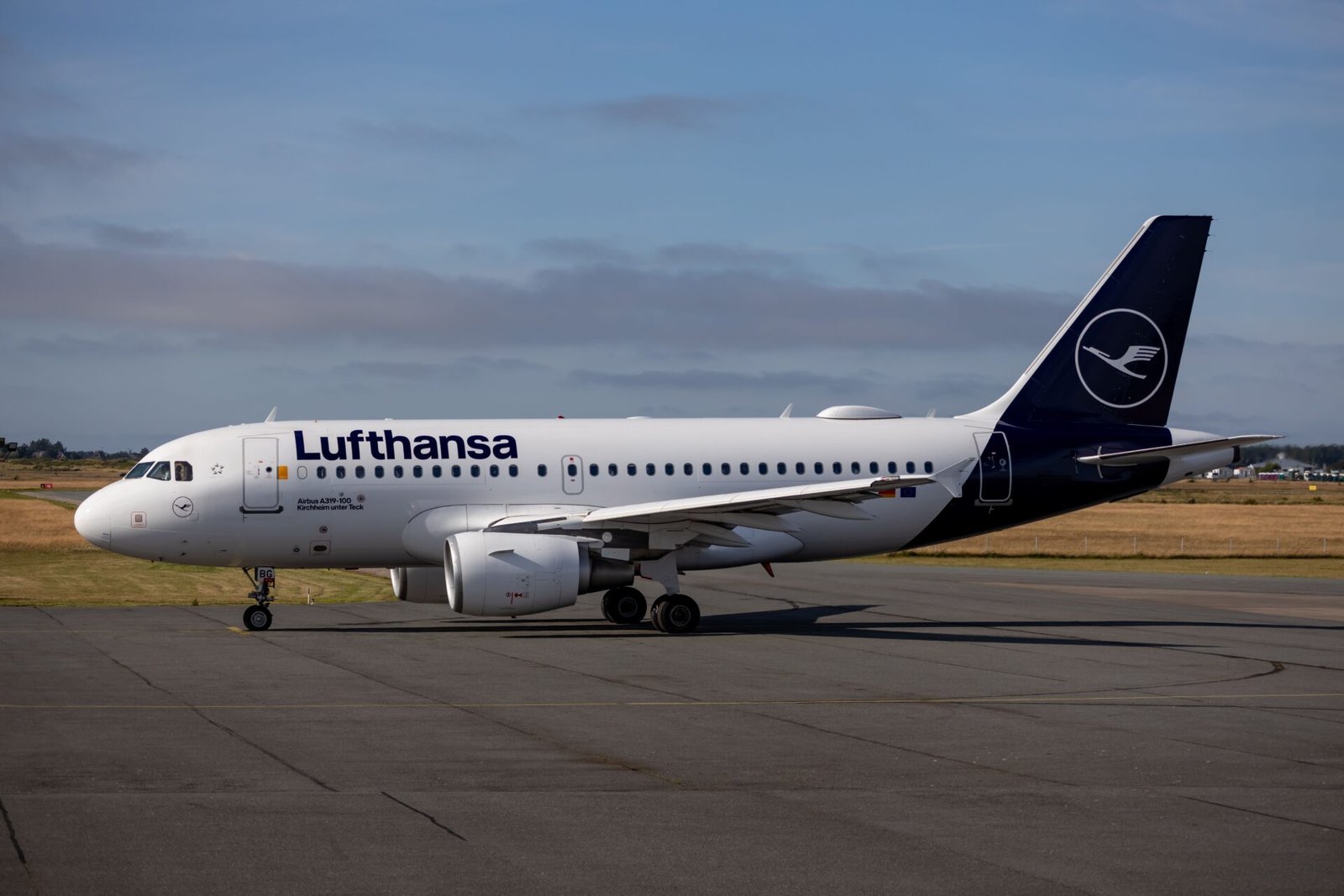
However, as the Indian airlines struggle due to these factors, European carriers are taking this opportunity to expand their India operations, encouraged by strong demand and improved financial performance.
Lufthansa expands to India
Lufthansa reported that yields on its Asian routes were 13 per cent higher in the April-June quarter than in the last year during the same period, with India contributing to the improvement.
The airline further plans to introduce a second daily Delhi-Munich flight during the summer season, using the Airbus A350-900. It also aims to increase flights between Chennai and Frankfurt to daily, while services from Hyderabad to Frankfurt and Bengaluru to Munich will operate six times a week.
SWISS, part of the Lufthansa Group, is also looking towards extending its Bengaluru-Zurich service beyond winter. With these additions, Bengaluru could see up to three daily flights operated by Lufthansa on most days. Additionally, Delhi is expected to have five daily flights, including services to Munich, Frankfurt, Zurich and Rome operated by Lufthansa Group airlines and ITA Airways.
Growing competition on India-Europe routes
Lufthansa’s expansion comes as IndiGo prepares to enter the long-haul market, with its first Airbus A350 expected from an order of 60 aircraft. British Airways and Virgin Atlantic have also increased services between India and London Heathrow in recent years.
Lufthansa’s Star Alliance membership and partnership with Air India strengthen connectivity across their networks. However, Air India’s latest cuts highlight the challenges facing Indian carriers as European airlines increase capacity.
Airspace restrictions add to costs
Indian airlines face an additional disadvantage because of restrictions over parts of West Asia and their inability to use Pakistani airspace. European carriers such as Lufthansa have greater routing flexibility, allowing them to avoid some restrictions and operate more efficiently.
As European airlines strengthen their networks, Indian carriers could face greater competition on international routes. For Indian airlines, the immediate challenge is to control costs and maintain connectivity while navigating an increasingly difficult operating environment.