

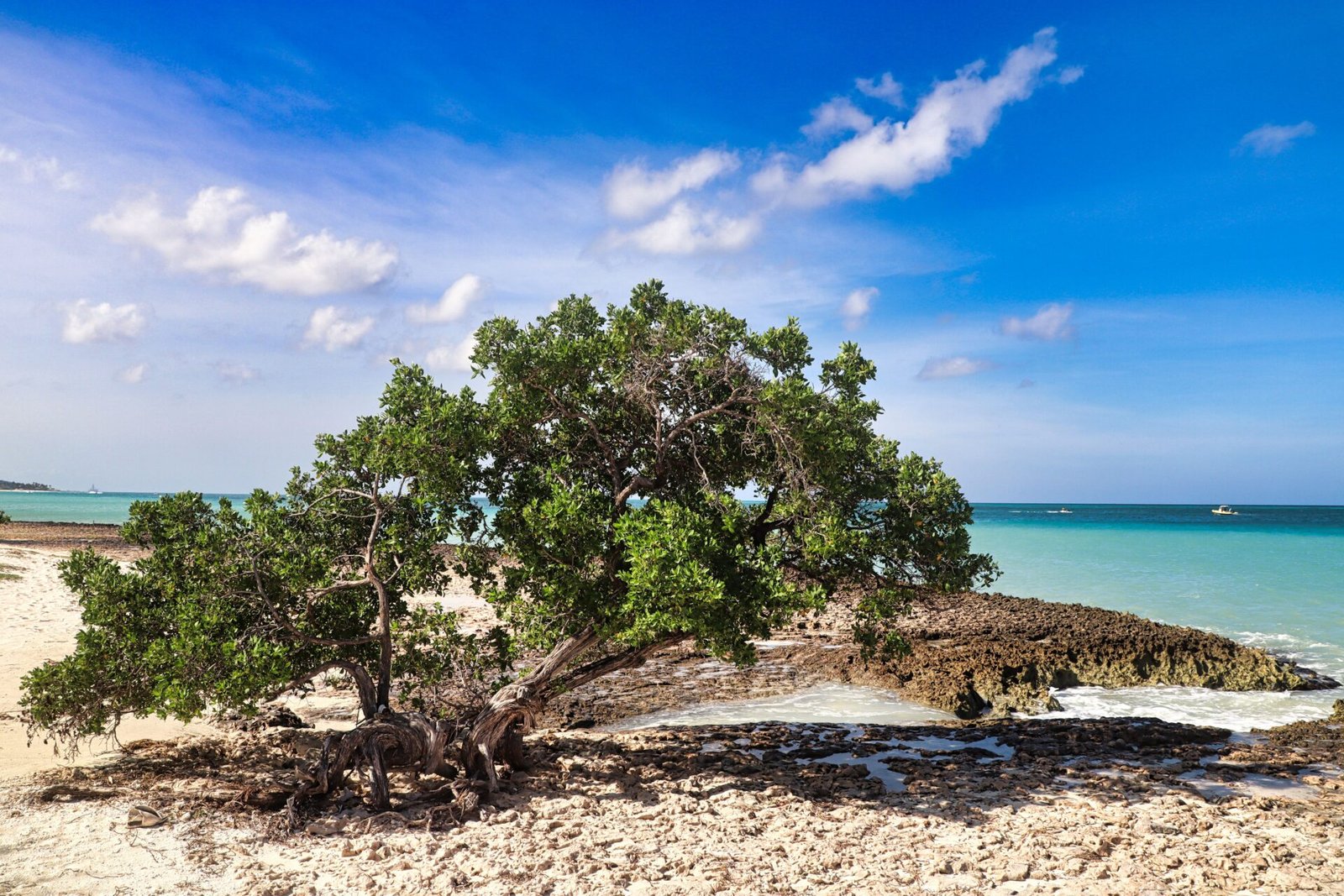
UNESCO has officially designated the entire island of Aruba as a Biosphere Reserve under its Man and the Biosphere (MAB) Programme, recognising the island’s commitment to biodiversity conservation, sustainable development, and responsible tourism. The announcement places Aruba among the destinations included in UNESCO’s World Network of Biosphere Reserves and marks a significant milestone in the island’s environmental and tourism journey.
The designation covers Aruba’s entire land area of approximately 19,300 hectares, along with its Exclusive Economic Zone (EEZ) spanning nearly 3 million hectares, making it an integrated land-and-sea biosphere reserve. The recognition highlights the island’s efforts to balance environmental conservation with economic development while protecting its unique ecosystems, marine biodiversity, and cultural heritage for future generations.
UNESCO noted that Aruba’s Biosphere Reserve serves as a living example of how conservation, scientific research, sustainable livelihoods, and community participation can coexist. The designation enables Aruba to collaborate with nearly 800 biosphere reserves worldwide, facilitating the exchange of knowledge, best practices, scientific research, and innovative approaches to sustainable development.
The recognition is expected to further strengthen Aruba’s position as a leading sustainable tourism destination in the Caribbean. Tourism authorities believe the UNESCO designation will enhance the island’s international visibility, attract environmentally conscious travellers, and support long-term initiatives focused on eco-tourism, climate resilience, marine conservation, and responsible destination management.
According to UNESCO, the designation sends a strong message that sustainability is both practical and achievable for Small Island Developing States. Aruba’s inclusion in the World Network of Biosphere Reserves also reinforces its commitment to protecting natural resources while fostering inclusive economic growth and improving the well-being of local communities through sustainable tourism practices.